




Podcast about the subject Listen on Spotify
Brazilian stock market registers 14th consecutive gain and surpasses 155,000 points.
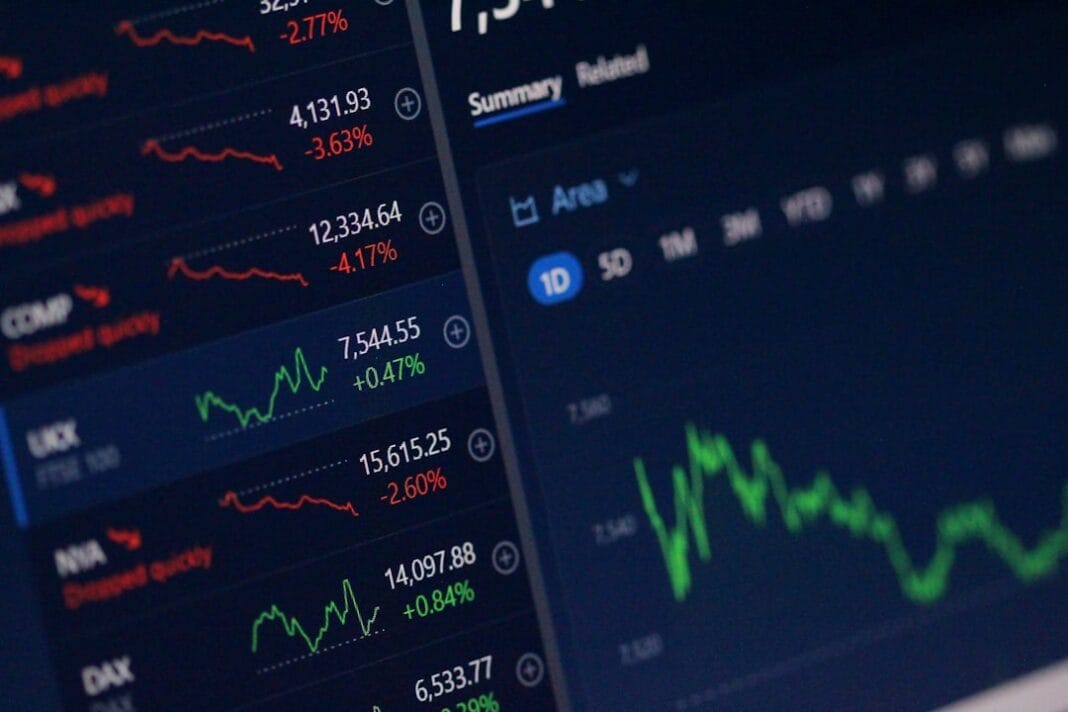
The Ibovespa index, the main indicator of the Brazilian stock exchange, closed up 0.77% this Monday (10), reaching 155,257 points. This was the 14th consecutive session of appreciation, which brings it closer to the record sequence of 15 consecutive increases registered in 1994, shortly before the Real Plan. In the accumulated total for 2025, the Ibovespa is up more than 29%, the largest annual increase since 2019, driven by shares of oil companies, mining companies and banks.
Optimism in the financial market is linked to expectations regarding the Central Bank's monetary policy. Investors are awaiting the minutes of the Monetary Policy Committee (Copom) and the October inflation data to assess the ideal time for a reduction in the Selic rate, which could occur as early as January 2026, ahead of the previous forecast of March. Lower interest rates tend to increase the appetite for variable income, strengthening the stock market.
Startups and booming sectors: education and real estate development lead the growth in value.
Beyond the performance of blue chips, the startup and small business market gained prominence in 2025. According to a survey by Elos Ayta, 14 stocks from the Ibovespa, Small Caps, and other indices have already doubled in value this year, with Cogna (education) showing an increase of more than 240%. Sectors linked to private education and digital learning reflect optimism in economic recovery and technological advancement.
The real estate development segment also stands out, with seven of the 14 companies that doubled in value operating in this area, demonstrating resilience and growth prospects in the Brazilian real estate market.
Brazil's Sovereign Plan expands access to financing for companies affected by US tariffs.
In response to tariffs imposed by the United States, the federal government expanded access to the Sovereign Brazil Plan, a program that offers financial support to impacted companies. The minimum export impact requirement to apply for financing dropped from 5% to 1%, facilitating access to resources for many productive sectors.
This measure aims to mitigate the negative effects of US tariffs, which reached up to 40%, and strengthen the competitiveness of Brazilian companies in the international market. The Minister of Finance, Fernando Haddad, emphasized that these actions are strategic for maintaining economic stability and preserving jobs.
Impacts and challenges
The current scenario highlights a combination of factors that favor the Brazilian market: potentially falling interest rates, rising stock prices, and supportive public policies. However, the continuation of this cycle depends on controlling inflation, international trade negotiations, and the adaptation of startups and traditional companies to new technological and economic demands.
Experts warn of the need for constant innovation in Brazilian startups to maintain global competitiveness, as well as the importance of clear policies that encourage investment and reduce bureaucratic barriers.
Photo by Microsoft 365 on Unsplash

 English