


Podcast about the subject Listen on Spotify
Brazilian financial market registers historic record.
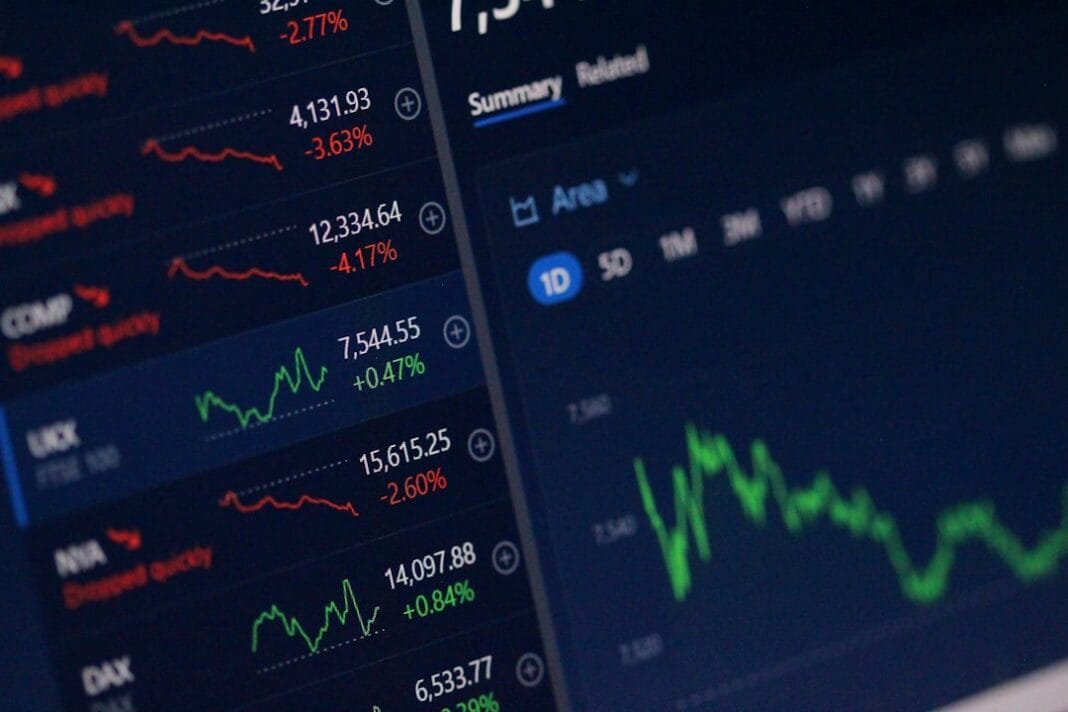
In recent days, the Ibovespa index, the main indicator of the Brazilian stock exchange, reached 155,257 points, with an increase of 0.77%, consolidating its 14th consecutive rise. This performance is mainly driven by shares in the oil, mining, and banking sectors, reflecting a positive domestic environment and favorable expectations for the national economy. By 2025, the index has accumulated a valuation of 29.08%, the largest since 2019.
Furthermore, the commercial dollar fell, closing the session at R$ 5.307, influenced by expectations surrounding the release of the minutes from the Monetary Policy Committee (Copom) and inflation indicators, which could signal cuts in the Selic rate as early as January 2026. Lower interest rates tend to stimulate investment in higher-risk assets, such as stocks and startups.
Brazil-US negotiations and their impact on the business sector.
Internationally, the Brazilian government and the United States have resumed negotiations to revise tariffs imposed on Brazilian products, a topic known as "tarifaço" (heavy tariffs). The recent meeting between Foreign Minister Mauro Vieira and US Secretary of State Marco Rubio, which took place in Niagara Falls during the G7 summit, signals progress in the attempt to alleviate the surcharges that particularly affect sectors such as coffee.
The potential tariff relief is viewed with optimism by Brazilian producers, who are facing a significant drop in exports to the US due to the American market adapting to the partial absence of Brazilian products. At the same time, the federal government has expanded access for companies to the Sovereign Brazil Plan, which offers support to those impacted by the tariffs, providing greater relief for the productive sector.
Trends and incentives for the technology and startup sector.
The business environment for startups and technology companies also shows positive signs. Tax incentives for training young people in information technology have been approved, allowing companies to deduct expenses on training programs in partnership with qualified institutions from their income tax. This measure seeks to meet the growing demand for qualified labor in the sector and stimulate technological development.
Furthermore, between November 11th and 13th, the UN Global Compact in Brazil promoted collective actions focused on sustainability and innovation in the business sector, with an emphasis on clean technology and socio-environmental responsibility — themes that are increasingly integrated into the strategy of startups.
Impacts and perspectives
These developments reveal a scenario of moderate optimism for the Brazilian market, with direct repercussions for the startup ecosystem, which benefits from a favorable financial environment, incentive-based public policies, and greater trade openness. The continuation of tariff negotiations with the US and the progress of economic reforms will be crucial to consolidating this advance.
On the other hand, the market remains attentive to potential external volatility and internal political developments, which could influence investment decisions and the growth rate of technology companies.
Photo by Anne Nygård on Unsplash


 English