



Podcast about the subject Listen on Spotify
Predictions for the future: trends shaping 2025 and beyond.
This article presents a forward-looking analysis based on recent news and opinion polls about global trends expected to impact the world in 2025 and the coming years. It is important to note that this is a forecast, not factual information.
1. Sustainability and accelerated energy transition
The year 2025 should consolidate the expansion of renewable energies such as solar, wind, and green hydrogen, mainly in emerging countries seeking to meet climate goals. Solar energy projects in isolated communities in Brazil, for example, have reduced energy inequalities and are expected to grow significantly, promoting social and environmental inclusion. The integration of artificial intelligence and blockchain to optimize resource use and track production chains will be fundamental to achieving efficiency and reducing waste.
Furthermore, the global green bond market is projected to break records, with Latin America gaining prominence and pressuring companies to adopt ESG (Environmental, Social and Governance) practices as a market standard.
2. Climate impacts and the urgency of action
According to the World Meteorological Organization, 2025 has a high probability of being the second or third warmest year on record, with elevated global average temperatures and record increases in greenhouse gases. This brings serious consequences, such as floods, forest fires, and extreme weather events in various regions, including Africa, Asia, Europe, and North America. The UN warns of the urgent need for effective policies to limit warming to 1.5°C, avoiding irreversible damage and deepening inequalities.
3. Global economy and politics in transformation
The global economic landscape shows a recovery supported by increasing urbanization, with cities assuming a central role in job creation. The erosion of the middle class could increase social risks in developed countries. New economic blocs, such as MINT (Mexico, Indonesia, Nigeria, and Turkey) and SICK (Syria, India, and the Unified Koreas), are gaining relevance, while traditional superpowers maintain influence. Canada, for example, has adopted innovative economic measures, such as the repeal of the tax on luxury boats, to stimulate strategic sectors.
4. Technology and digital transformation
Artificial intelligence continues to drive digital transformation, accelerating processes in various sectors. Financial digitization is advancing, with campaigns for digital payments and strengthened cybersecurity, as in Mexico, which intensified measures after terrorist threats. The integration of sustainability and technology is seen as an essential competitive advantage for companies and governments.
5. Connected society and transformative power
The digitized society exerts increasing influence over policies and markets, redefining the rules of marketing and management. Connectivity allows for greater pressure for concrete actions on issues such as climate change and social justice, generating an environment of continuous and accelerated transformation.
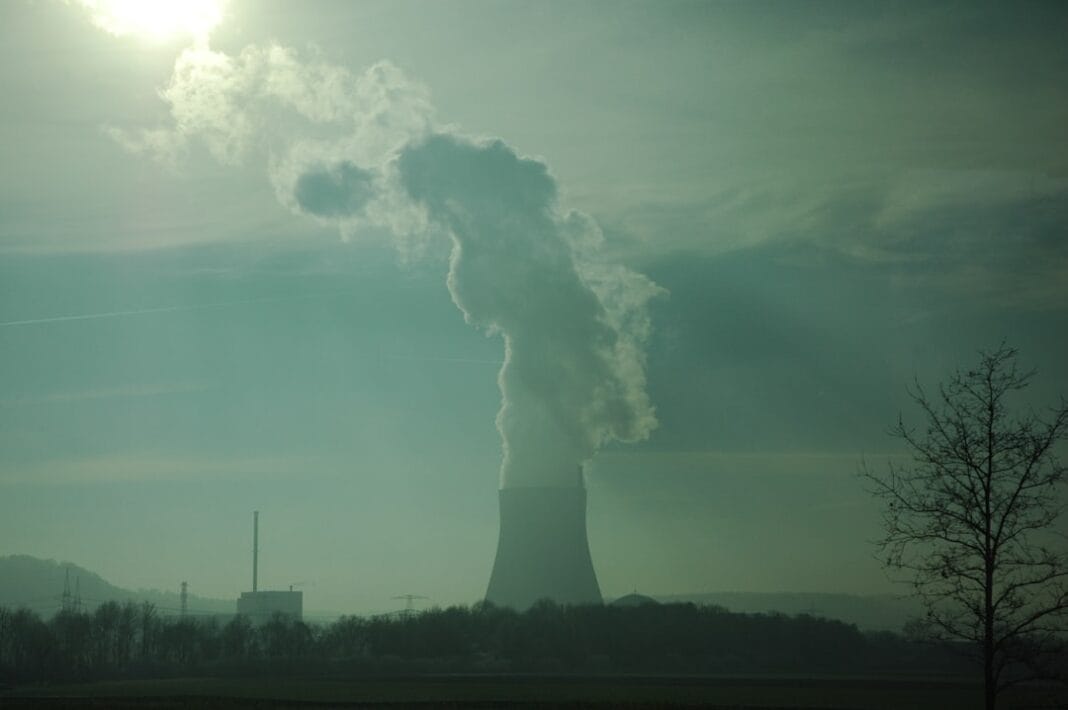
Photo by Logan Voss on Unsplash

 English