



Podcast about the subject Listen on Spotify
Radiopharmaceuticals and technological autonomy mark new agreement.
Brazil took a strategic step in the area of nuclear technology this Thursday (November 13). The Minister of Science, Technology and Innovation, Luciana Santos, met with the President of the Council of the China Isotope and Radiation Corporation (CIR), Xiao Yafei, in Brasília, to strengthen bilateral cooperation in the production of radiopharmaceuticals — essential inputs for the diagnosis and treatment of cancer and other diseases.[2]
What changes with the partnership?
During the meeting, authorities discussed expanding national radiopharmaceutical production by the Institute for Energy and Nuclear Research (Ipen), as well as technology sharing and transfer between institutions. The central proposal is to guarantee greater technological autonomy for Brazil and direct benefits for the health of the population.[2]
According to Luciana Santos, regular conversations between the teams have allowed for important advances in defining the technical, commercial and legal aspects. Xiao Yafei reaffirmed the Chinese commitment, highlighting that Circ wants to deepen the partnership in the area of nuclear technology.[2]
Timeline and next steps
The partnership could advance throughout 2026, with the creation of a subsidiary in Brazil and the formation of a specialized team to make the operation viable. Among the practical points under discussion are tax aspects of importing inputs and intellectual property protection.[2]
Broader context
The agreement comes at a time when Brazil is intensifying investments in innovation and sustainability. At COP30 in Belém, Finep announced three new public calls, including the Pró-Amazônia call, which allocates R$ 150 million for research infrastructure in the Legal Amazon, and calls aimed at bioeconomy startups.[3]
The minister also participated in dialogues on climate transparency, reinforcing Brazil's commitment to the Paris Agreement. As of April 15 of this year, more than 100 biennial transparency reports have been submitted globally, covering approximately 75% of global greenhouse gas emissions.[5]
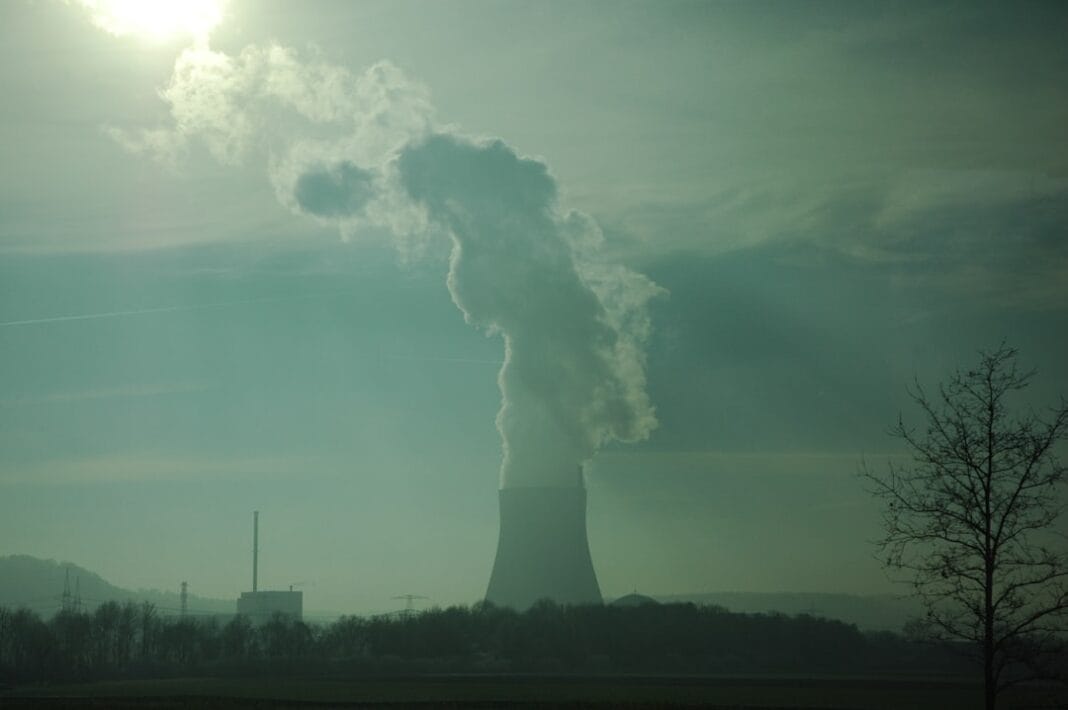
Photo by MM on Unsplash


 English