



Podcast about the subject Listen on Spotify
Brazilian financial market maintains positive trend.
In recent days, the Ibovespa, the main index of the Brazilian stock exchange, showed a slight drop of -0.07%, closing at 157,632 points, but maintains an upward trend in the short and medium term. In November, the US dollar fell 1.36%, accumulating a drop of 14.12% in 2025, which has fueled investor euphoria. The stock market has already accumulated 14 consecutive gains, close to the highest historical sequence of 15 gains in 1994, with an accumulated increase of 29.08% in the year, the highest since 2019[1][2].
Impact of Brazil-US negotiations and political agenda
The market is closely following the tariff negotiations between Brazil and the United States. Recently, Brazilian Foreign Minister Mauro Vieira and US Secretary of State Marco Rubio met to discuss the tariffs imposed on Brazilian products, which amount to approximately 40%. The expectation is that Brazil will be able to reverse these tariffs, which could benefit exports and national productive sectors.[3][4][8].
Featured sectors and companies
In the corporate sphere, Casas Bahia reported revenue growth and improved EBITDA in the 3rd quarter of 2025, driven by the recovery of sales in physical stores and marketplaces. However, the net loss exceeded expectations due to increased financial expenses. Banco do Brasil, on the other hand, faced results below expectations, with increased provisions, especially in rural credit, which led to a downward revision of profit guidance and an increase in provisions, impacting market confidence[1].
Furthermore, companies such as Ultracargo and Hidrovias presented divergent results, with the former showing a decline in EBITDA and the latter an operational improvement, benefiting from the reduction in financial leverage[1].
Startups and technological innovation
Despite the challenging economic scenario for some traditional sectors, the startup and technology market remains strong, driving innovation and attracting investment. The rise in the stock market and the prospect of a reduction in the Selic rate, should official inflation come in below expectations, may further stimulate investment in startups, which depend on capital for growth and technological development[2][5].
The business environment is also positively impacted by the expansion of access to the Sovereign Brazil Plan, which aims to support companies affected by external tariffs, especially those that invest in innovation and exports[8].
Expectations for the coming days
Investors are closely watching the minutes of the Monetary Policy Committee (Copom), which are expected to be released soon and could signal the pace of cuts to the Selic rate. Lower interest rates tend to boost the stock market and increase the appetite for investments in startups and technology. Simultaneously, the domestic political and economic scenario, especially with the elections in sight, will continue to influence business expectations and strategies.[2][3].
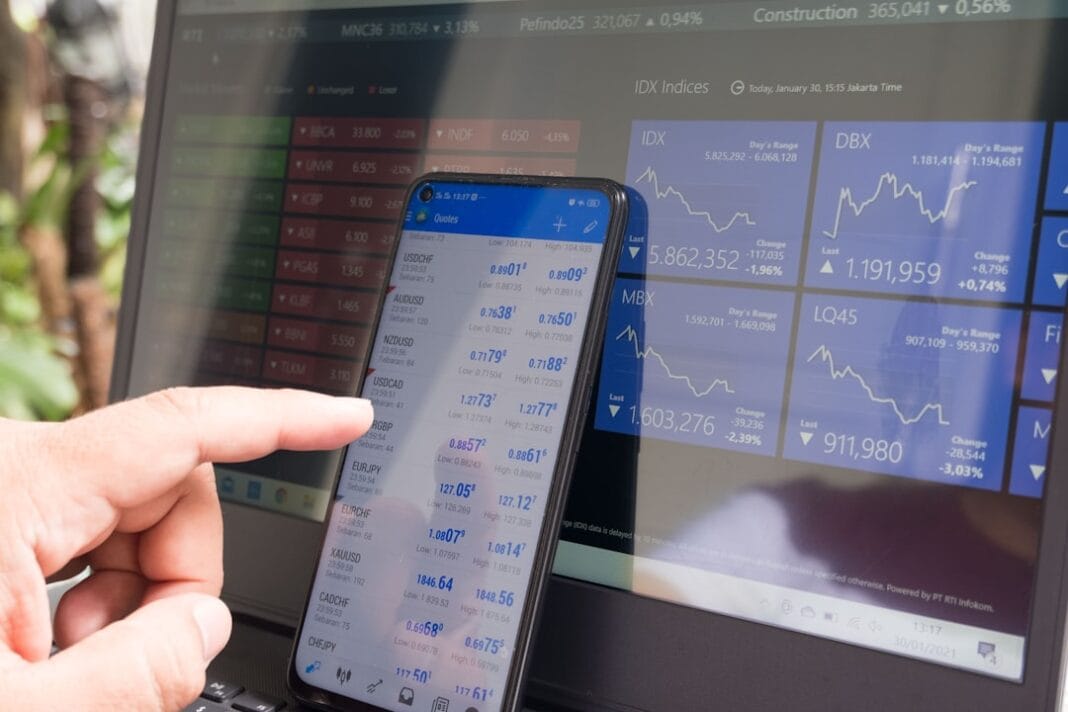
Photo by Marga Santoso on Unsplash


 English