


Podcast about the subject Listen on Spotify
Brazilian economy slows down due to high interest rates and US tariffs.
Brazil's Gross Domestic Product (GDP) growth forecast for 2025 has been revised downwards by the Ministry of Finance, which now projects an increase of 2.21% of the total cost per year (TP3T), compared to the previously estimated 2.31% of the TP3T. The slowdown is attributed to the cumulative effects of restrictive monetary policy, with the Selic rate at 15% of the TP3T, and the contraction of credit, which impact domestic economic activity. Despite unemployment remaining at historically low levels, there has been a reduction in the employed population and a slowdown in the rate of income growth in the third quarter.
Impact of US tariffs and bilateral negotiations
Between August and October 2025, Brazilian exports to the United States fell by US$2.5 billion, a reduction of 24.9% compared to the same period in 2024, due to tariffs imposed by Washington. The Brazilian government has sought to diversify markets and support the export sector, in addition to maintaining dialogue with the US to try to reduce tariffs, with expectations of a meeting between Presidents Luiz Inácio Lula da Silva and Donald Trump.
Stock market at record high
In contrast to the economic slowdown, the Brazilian stock exchange (Ibovespa) recorded its 14th consecutive rise, surpassing 155,000 points, a record close to the historical series of 1994. The index rose 0.77% last Monday (10), driven by shares of oil companies, mining companies and banks. In 2025, the Ibovespa accumulates an appreciation of 29.08%, the largest since 2019. The commercial dollar closed lower, quoted at R$ 5.307, reflecting expectations of a possible reduction in the Selic rate in 2026, if official inflation comes in below forecast.
Outlook for inflation and monetary policy
The International Monetary Fund (IMF) has slightly improved its projection for Brazilian growth in 2025, but warns of a sharper slowdown in 2026. The IMF estimates average annual inflation at 5.21p3t for this year, with expectations of falling to 4.01p3t in 2026, close to the center of the official target of 3.01p3t. The financial market awaits the minutes of the Monetary Policy Committee (Copom) to analyze the tone of interest rate policy, which may indicate the start of a Selic rate cut as early as January 2026.
Government measures to mitigate impacts
The federal government has expanded access for companies to the Sovereign Brazil Plan, a program aimed at supporting sectors affected by external tariffs, seeking to minimize the negative impacts on exports and the economy.
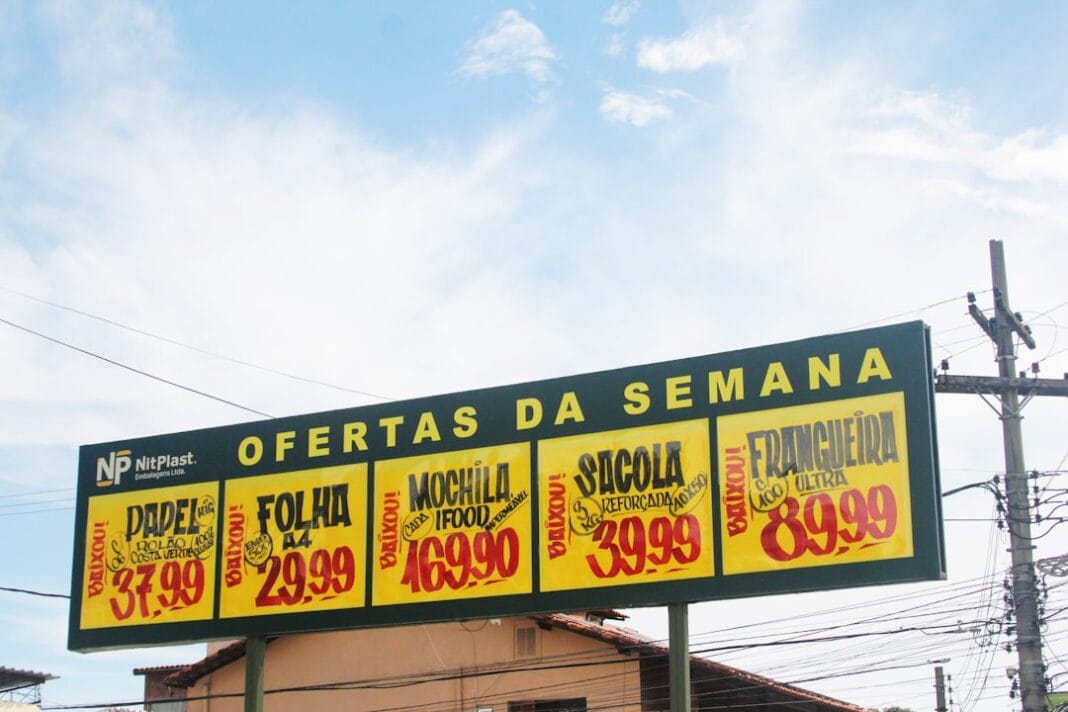
Photo by Mirna Wabi-Sabi on Unsplash


 English