



Podcast about the subject Listen on Spotify
Last week, the global business, technology, and startup landscape was marked by intense activity, ranging from record highs on the Brazilian stock exchange to new trade disputes and advancements in policies supporting businesses. What happened in the last few days may define trends for the coming months.
Brazilian stock market hits new record.
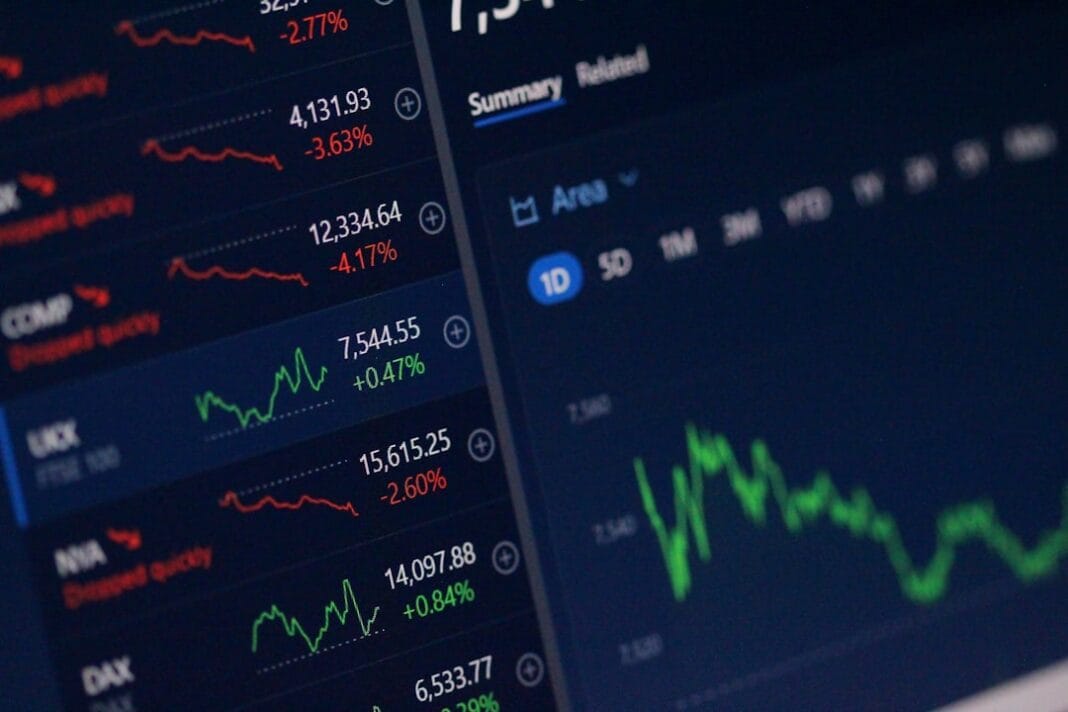
The Ibovespa, the main index of B3, closed on Monday (10) at 155,257 points, with an increase of 0.77% — the 14th consecutive increase. The accumulated appreciation in 2025 already reaches 29.08%, the highest since 2019. The boost came mainly from shares of oil companies, mining companies and banks, which led the gains.
According to analysts, market optimism is linked to expectations of a cut in the economy's basic interest rates (Selic). The Copom minutes, released this Tuesday (11), will be closely watched: if October's inflation comes in below expectations, the Central Bank may start reducing the Selic rate as early as January, instead of March.
Impact of US tariffs and Brazil's response.
In trade policy, Brazil has intensified negotiations with the United States. Foreign Minister Mauro Vieira met with US Secretary of State Marco Rubio in Washington to discuss the tariffs imposed by the Trump administration, which reached 40% in some sectors.
In response, the Brazilian government expanded companies' access to the Sovereign Brazil Plan, a support program for companies affected by the tariffs. The new decree reduced the minimum impact on exports required to apply for financing from 5% to 1%. The goal is to protect strategic sectors and prevent mass layoffs.
Startups and technology: innovation under pressure
In the field of technology, the debate over the regulation of the crypto economy in Brazil has gained momentum. Banks such as Bradesco and Itaú have taken legal action to block proposals considered too restrictive, arguing that they could inhibit investment and innovation.
Meanwhile, Brazilian startups continue to seek alternatives to attract capital, especially in sectors such as fintech, logistics, and digital health. However, the environment of high interest rates and exchange rate uncertainty demands more cautious strategies.
Impacts and perspectives
- The stock market record reflects confidence, but also the risk of a bubble if economic fundamentals don't keep pace.
- US tariffs are putting pressure on exporters, but the Sovereign Brazil Plan may mitigate the negative effects.
- Startups need to navigate between regulation and innovation in an environment of competition for space and resources.
Photo by Anne Nygård on Unsplash


 English