



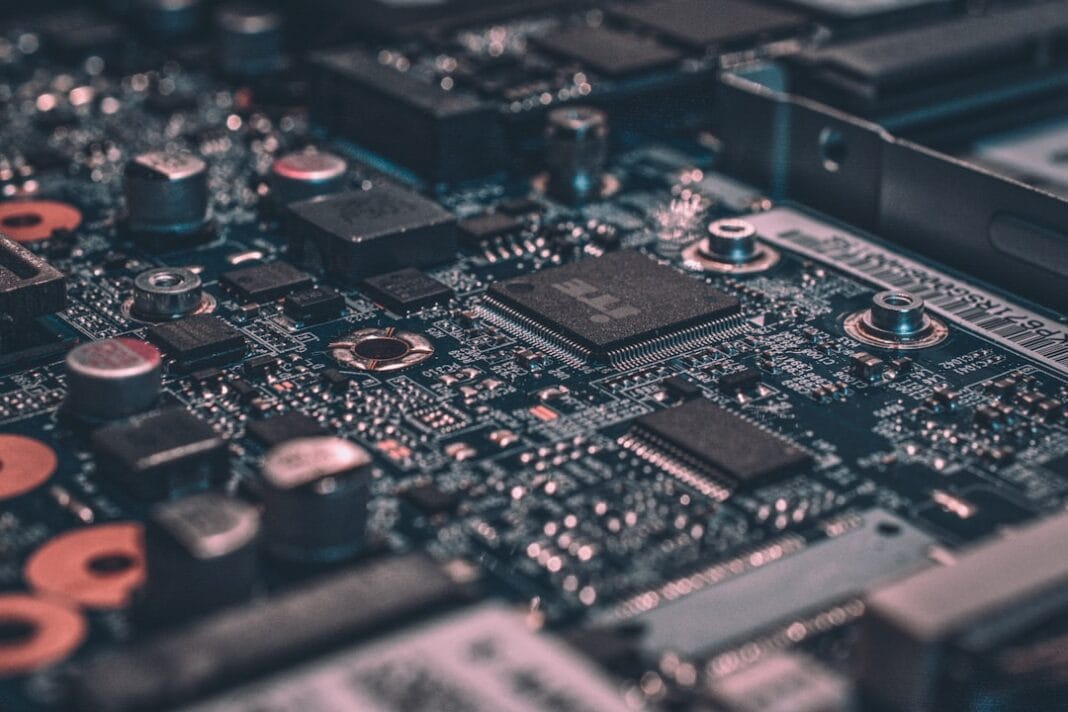
Technological Trends Redefining the Market
In recent days, experts and leaders in the technology sector have highlighted the main trends that will impact businesses in 2025, focusing on the disruption caused by innovations such as artificial intelligence (AI), augmented reality (AR), advanced robotics, and enhanced cybersecurity.
Artificial Intelligence and Automation
AI continues to be a key driver of digital transformation, with companies using machine learning to automate processes, optimize decisions, and personalize the customer experience. According to a survey by Microsoft for Edelman Comunicação, 741% of Brazilian medium, small, and micro-enterprises already frequently use AI, and 90% plan to expand this adoption soon. AI-based tools also accelerate content creation and data analysis, enabling more effective marketing campaigns and automated customer service via chatbots.
Augmented and Virtual Reality
Immersive technologies are gaining ground in retail and corporate training. By 2025, virtual reality is expected to become commonplace in physical stores, offering immersive and interactive shopping experiences. Augmented reality complements this trend, facilitating consumer engagement and remote team training.
Robotics and Advanced Automation
Multifunctional robots and advanced automation will be increasingly present in everyday life, from industry to domestic and medical services. Companies like Tesla and Waymo are advancing in the development of autonomous cars, while intelligent home robots promise to perform tasks such as cleaning and elderly care. In medicine, robot-assisted surgeries will reduce risks and recovery time.
Cybersecurity and Post-Quantum Cryptography
With increasing digitalization, data security is a priority. The arrival of quantum computers demands new forms of encryption, while AI-based systems anticipate and neutralize cyber threats. Biometric and multifactor authentication will gradually replace traditional passwords, increasing protection against sophisticated attacks.
Disruption and New Business Models
Technological disruption is driving the creation of innovative business models. Platforms that offer complete and integrated consumer experiences are gaining prominence, redefining value delivery with unprecedented speed and formats. Customer service will also be transformed by automation and self-checkout, which are becoming the standard.
Impacts and Challenges
These trends bring opportunities for companies that adopt innovations, but also challenges, such as the need for AI governance and adaptation to new sustainability legislation, which 871% of Brazilians already consider essential when choosing brands, according to Kantar. Preparing for this future involves investments in technology, training, and strategies aligned with digital transformation.
Photo by Alexandre Debiève on Unsplash


 English