



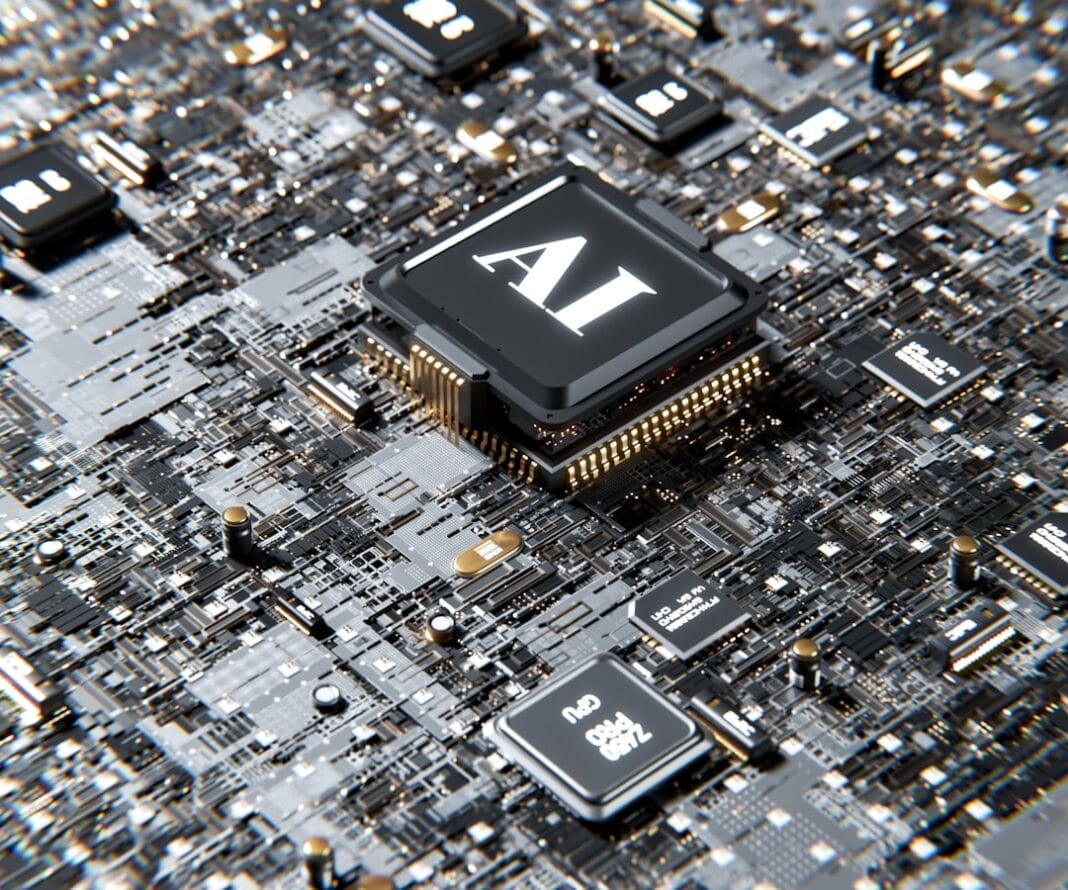
Brazil advances in artificial intelligence while the smartphone market heats up.
Technology week brings significant developments in Brazil and around the world. The country consolidates its position as an AI powerhouse, while the mobile device market remains strong with promotions and strategic launches from global manufacturers.
Brazil acquires a world-class AI supercomputer.
Brazil will receive one of the five most powerful artificial intelligence supercomputers in the world, as announced by the federal government. The initiative is part of the Brazilian Artificial Intelligence Plan, which foresees investments of up to R$23 billion by 2028. The equipment will be dedicated to strengthening data security and the country's digital sovereignty, positioning Brazil as a relevant player in the global race for AI infrastructure.
This movement reflects a larger trend: 541,300 Brazilians already use generative artificial intelligence, placing the country above the global average in technology adoption, according to a survey by Ipsos and Google.
Smartphone market on the move
The smartphone segment remains dynamic. Three mid-range phones are rivaling flagships, costing half the price. Simultaneously, the Moto G56 5G gained prominence with a discount exceeding 40% at Casas Bahia, demonstrating pressure for more affordable prices in the Brazilian market.
At Samsung, the 40mm Galaxy Watch8 hit a record price this week, while the 2025 Galaxy Watch Ultra also marked its lowest price to date. These moves suggest an aggressive pricing strategy ahead of the holiday season.
Microsoft and Samsung set the course for 2026.
Microsoft has confirmed that the Windows 11 26H1 update will be exclusive to the new Snapdragon X2 and Nvidia N1X chips, signaling a deepening of the integration between software and specialized hardware.
Samsung, for its part, canceled the orange color of the Galaxy S26 Ultra after negative reactions from fans, demonstrating the company's sensitivity to consumer market preferences in design decisions.
Global context: Apple loses ground in China.
While Brazil is making progress, Apple faces international challenges. iPhone shipments in China fell by 171% in 2024, totaling 42.9 million units, causing the company to lose its leading position in the Chinese market. This movement reflects fierce competition and local preferences for alternatives.
Photo by Igor Omilaev on Unsplash


 English