



Podcast about the subject Listen on Spotify
Ibovespa registers slight drop, but maintains positive trend.
The main index of the Brazilian stock exchange, Ibovespa, closed the trading session this Thursday (13) with a slight drop of 0.07%, quoted at 157,633 points, but still maintains an upward trend in the medium and short term. The Brazilian stock exchange accumulates a gain of 29.08% in 2025, the largest annual appreciation since 2019, driven mainly by shares in sectors such as oil companies, mining companies and banks.
The dollar is trading lower and closes at R$ 5.2975
The commercial dollar closed with a marginal increase of 0.10% this Thursday, quoted at R$ 5.2975, after operating in decline for most of the day. In November, the American currency has accumulated a drop of 1.36%, and in the year 2025, a devaluation of 14.12%, reflecting a scenario of greater optimism in the Brazilian financial market.
Negotiations between Brazil and the United States gain prominence.
Investors closely followed the meeting between Brazilian Foreign Minister Mauro Vieira and US Secretary of State Marco Rubio, held in Niagara Falls during the G7 summit. The main topic was progress in tariff negotiations between the two countries, especially the expectation of a reversal of tariffs imposed by the US government, which reach 40% on Brazilian products. This move could positively impact bilateral trade and the national industry.
Domestic economic indicators show mixed signals.
The Monthly Trade Survey (PMC) released by IBGE indicated a 21% increase in retail sales in September compared to the previous year, but with significant regional variations: 15 states showed a decline, while others such as Tocantins and Amapá registered significant advances. In the financial sector, Banco do Brasil reported results below expectations in the third quarter, with increased provisions and a deterioration in credit quality, especially in the rural segment, which led to a downward revision of profit projections.
Outlook for monetary policy and markets
The Brazilian financial market is closely watching the minutes of the Monetary Policy Committee (Copom) meeting, which will be released soon, and the official inflation figures for October. If inflation comes in lower than expected, the Central Bank may begin cutting the Selic rate as early as January 2026, further stimulating investments in the stock market and favoring economic recovery.
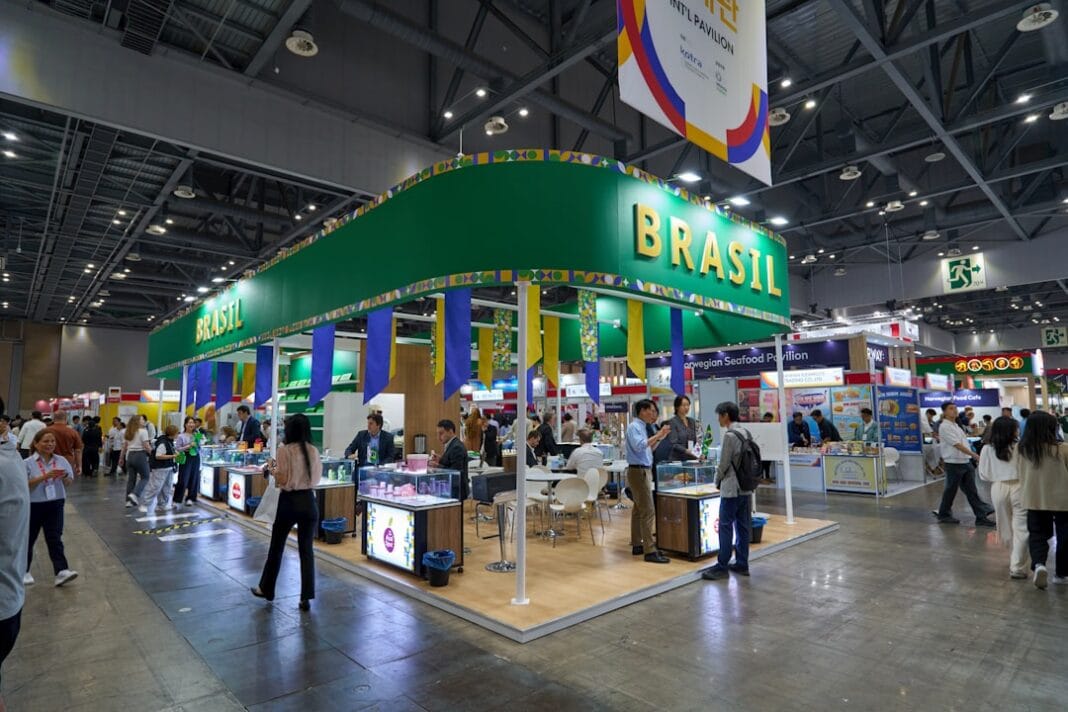
Photo by ELISA KERSCHBAUMER on Unsplash

 English