


Future Prediction: How Artificial Intelligence Will Redefine Global Geopolitics
This article presents predictions and analyses about future trends; it is not news about events that have already occurred.
The week of November 10, 2025, marked a turning point in global geopolitics. While the US Senate ended a 40-day shutdown and tensions with Venezuela escalated, China expanded its commercial and technological influence. These simultaneous events point to a scenario that experts already predict: artificial intelligence will be the economic and diplomatic battleground for the next 18 months.
What Happened This Week
Republicans and Democrats reached a bipartisan agreement to reopen the U.S. federal government by January 2026. Simultaneously, Beijing strengthened strategic partnerships with Brazil and the European Union, resuming exports of chips and critical metals. China also accelerated investments in artificial intelligence to challenge American technological hegemony.
These movements are not isolated. They reveal a clear dispute: who will control the next generation of technology that will fuel the global economy, defense, and innovation.
Forecasts for the Next 18 Months
1. Chip Race Intensifies
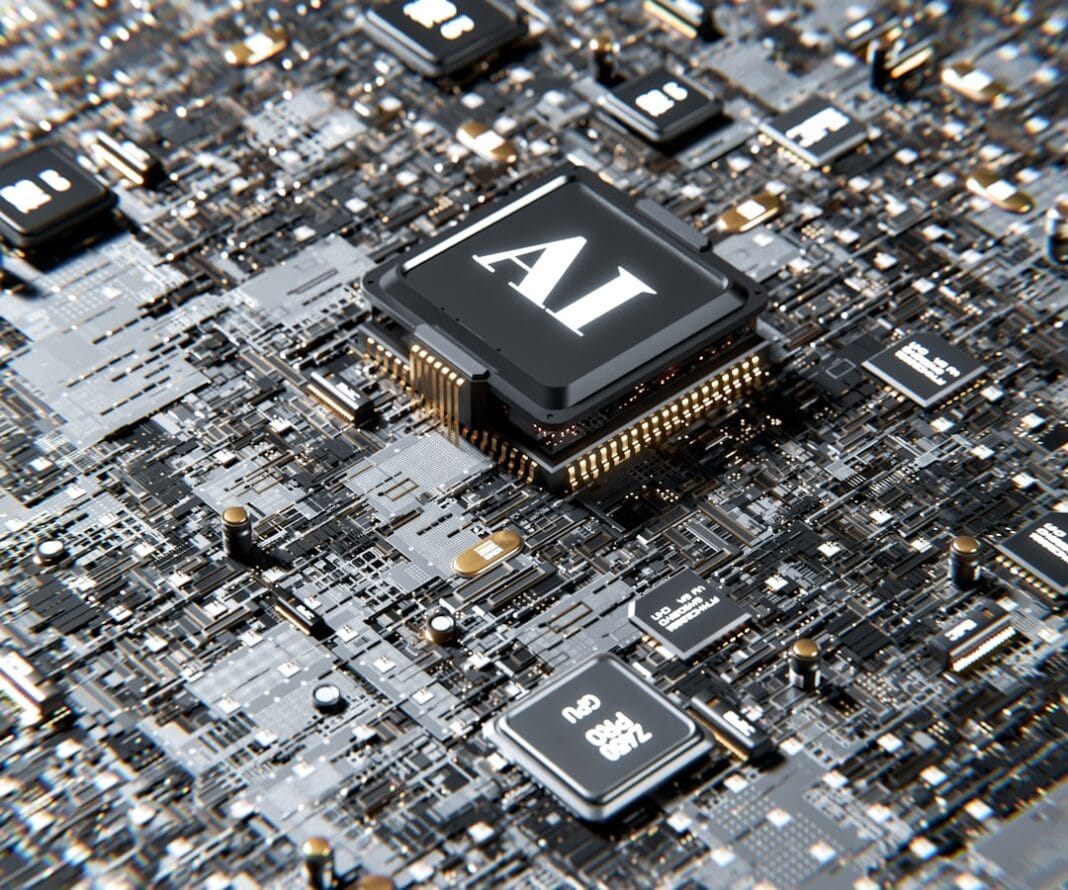
The resumption of Chinese semiconductor exports signals a relaxation of trade restrictions, but experts predict this will be short-lived. By mid-2026, a new round of US sanctions focused on artificial intelligence chips is expected. The consequence: even greater fragmentation of global supply chains, with Europe and Asia seeking technological self-sufficiency.
2. AI Enters Diplomacy
Data from Deloitte indicates that 80% of major Asian financial institutions plan to increase investments in AI by 2026. This accelerated adoption will create pressure for governments to regulate the technology. Prediction: multilateral agreements on AI will gain traction, especially during COP30 in Belém, where Brazil assumes a central role in environmental and technological discussions.
3. The Creator Economy Explodes
The creator economy already generates US$250 billion and could reach US$480 billion by 2027, according to Goldman Sachs estimates. Micro and nano influencers will gain ground because they offer authenticity that AI algorithms cannot yet replicate. Brands will invest more in partnerships with local creators than in traditional advertising.
4. US-China Tensions Define Economic Blocs
With Trump promising $2,000 in aid and reinforcing his focus on South America, Brazil and other emerging countries are expected to face pressure to choose sides. Prediction: by the end of 2026, there will be two distinct technological ecosystems—one led by the US and its allies, the other by China and its Asian partners.
What Changes For You
If you work in technology, marketing, or investments, get ready. AI will no longer be just an optimization tool. It will be a currency of political and economic power. Companies that don't position themselves in relation to which technological bloc they will follow will face competitive disadvantages.
For consumers, expect more regulation regarding data, privacy, and algorithms. There will also be opportunities: professionals trained in financial modeling and AI-driven data analysis will be increasingly valued.
Photo by Growtika on Unsplash
 English