



Future Forecast: What to Expect in the Coming Months
This article presents analyses and projections on global trends. It is not news, but an interpretation of current data and predictions for the future.
Artificial Intelligence Consolidates Economic Dominance
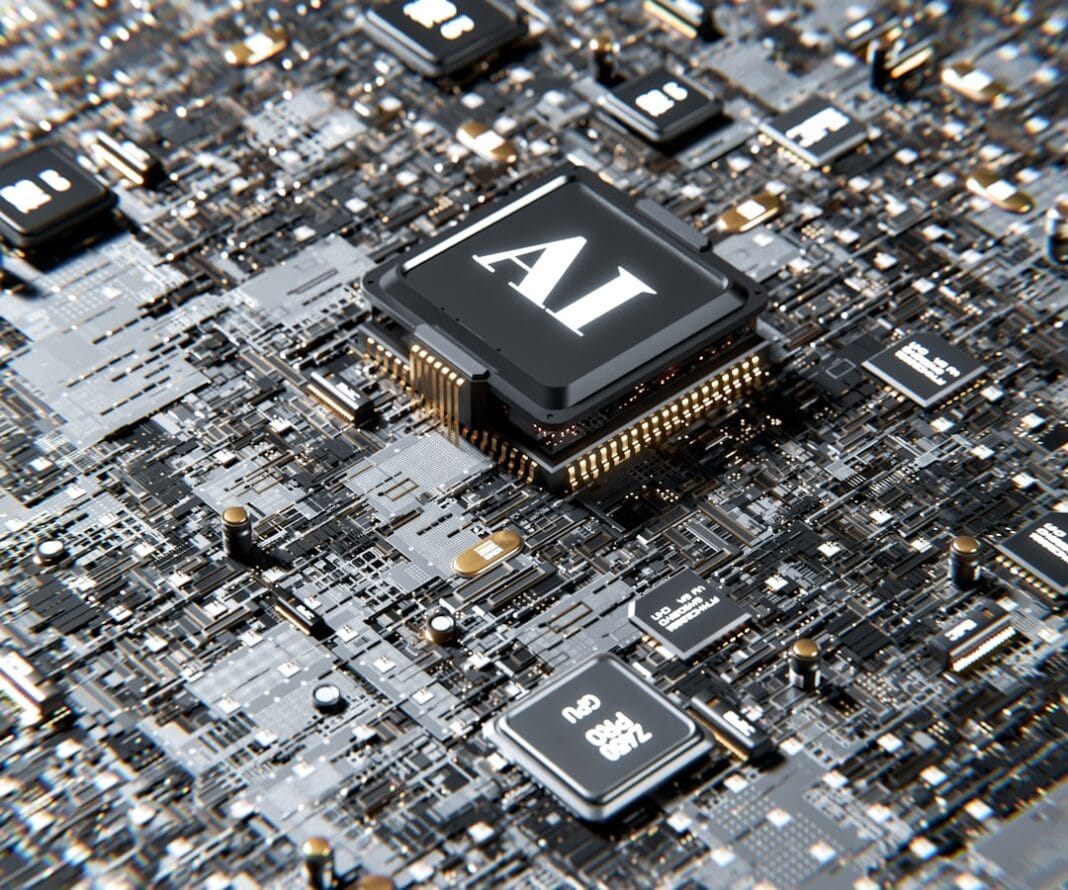
The week of November 10th brought clear signs: China is expanding its presence in AI while aggressively investing in chips and open models, challenging American hegemony[1]. In the coming months, this technological dispute is expected to intensify the race for supremacy in artificial intelligence.
In the corporate market, 68% of professionals are already optimistic about AI by 2025, and 59% plan to use it in creating ads[3]. The trend points to a radical transformation: machines will not only assist marketing strategies, but will define efficiency standards in entire sectors.
The creator economy, currently valued at US$ 250 billion, is expected to reach US$ 480 billion by 2027[3]. Nano and micro influencers are gaining relevance precisely because AI is mass-producing content – personal authenticity is becoming a competitive differentiator.
Climate: The Window of Opportunity is Closing
COP30 in Belém (November 2025) marks a turning point. Canada, Brazil, Italy and Japan are making progress on concrete agreements: a new global carbon market and quadrupling of sustainable fuels by 2035[2]. But the UN warns: this may be the last moment for credible action[8].
The 9th Yearbook of Global Climate Action, published on November 11, highlights that systems transformation has already begun[4]. Cities, regions and businesses are leading the implementation. It is predicted that, in the next 12-24 months, governments that do not keep pace with this dynamic will face increasing pressure from non-state stakeholders.
Geopolitics: Ongoing Realignments
The US Senate ended its 40-day shutdown on November 10, but tensions with Venezuela are growing[1]. Trump promises US$$ 2,000 in aid and reinforces focus on South America[1]. This strategy of economic influence is expected to intensify, with implications for regional trade blocs.
What Changes For You
For professionals: Investing in skills that complement AI (creativity, strategy, ethics) will be essential. Those who master AI tools will have a clear competitive advantage.
For investors: Clean energy, technology and digital finance sectors are expected to receive increasing investments. Asia emerges as an epicenter of financial innovation – 80% of institutions plan to increase investments in AI by 2026[5].
For citizens: Climate policies are no longer promises but regulations. Companies that fail to adapt will face sanctions and market share losses.
Photo by Igor Omilaev on Unsplash


 English