



Podcast about the subject Listen on Spotify
Future Prediction: How Artificial Intelligence Will Redefine Global Markets
Editorial notice: This article presents forecasts and future trends based on current data and expert analysis. It is not news, but forward-looking analysis.
What is happening now?
The week of November 10-12, 2025, marks a turning point in global markets. While China expands its influence in artificial intelligence and semiconductors, challenging American technological hegemony, global financial markets are facing warning signs. Morgan Stanley analysts have issued a warning about a possible correction of 10% to 15% in global equities, amid persistent inflationary pressures and expectations of higher interest rates for longer.
In Asia, the scenario is different. During the Global Financial Leaders Summit in Hong Kong, it became clear that the digital revolution in financial markets is no longer a promise: it's a reality. Giants like HSBC, BlackRock, and DBS Bank already integrate AI-powered analytics into their operations. Data from Deloitte shows that 801% of large Asian financial institutions plan to increase investments in AI by 2026.
The Near Future: Scenarios for the Next 12 to 24 Months
1. Financial Markets: Structural Volatility and Opportunities
The anticipated correction from 10% to 15% will not be the end of the story, but the beginning of a reorganization. Investors should expect greater volatility, especially in technology sectors that are already experiencing reduced exposure in global portfolios (underweight of -2.3pp in November). Simultaneously, financial and discretionary consumer sectors are gaining weight, signaling that markets are seeking refuge in less cyclical segments.
The expectation is that, between 2026 and 2027, a new asset class will emerge: investment platforms based on blockchain and automated management by AI. These tools will not replace human analysts, but will drastically expand data processing capacity and reduce risk.
2. Artificial Intelligence: The Sino-American Race Intensifies
China is not just competing in AI; it is redefining the rules. Investments in chips, open models, and cloud computing are consolidating its position as an alternative technological hub. For the next two years, the following is expected:
Technological fragmentation: Two AI ecosystems (Western and Chinese) will operate in parallel, with a direct impact on semiconductor supply chains.
Pressure on margins: Intense competition will reduce prices for AI chips and services, benefiting startups and mid-sized companies that currently face prohibitive costs.
Accelerated regulation: Western governments will implement stricter controls on the export of technology and data, creating new compliance costs.
3. Geopolitical Changes and Economic Impact
Growing tensions between Venezuela and the United States, coupled with Trump's promise of $1,400 in aid and his focus on South America, signal a reconfiguration of trade alliances. For 2026-2027:
Realignment of production chains: Brazilian companies can benefit from diversifying their partners, especially in the technology and agriculture sectors.
Exchange rate volatility: Emerging market currencies will face additional pressure, making currency hedging essential for exporting companies.
4. Sustainability and Climate: From Discourse to Mandatory Action
The UNFCCC's Global Climate Action Yearbook 2025 reveals progress: renewable capacity has more than doubled in the last decade, and forestry financing has quadrupled. However, gaps persist: investment in electricity grids is critically low, and building emissions have increased.
By 2027, a transition from voluntary to mandatory regulations is expected. Companies that fail to reduce emissions will face significant fines, credit restrictions, and exclusion from ESG funds. For Brazil, this means opportunities in clean technologies, but also pressure on traditional sectors.
Practical Impacts: What Changes for You
For investors: Geographic and sector diversification will be critical. Portfolios exclusively concentrated in tech will face volatility. Stocks in the financial and consumer discretionary sectors tend to offer better protection.
For businesses: Investment in AI is no longer a differentiator but a necessity. Regulatory compliance costs (data, privacy, sustainability) will increase by 151p3t to 251p3t by 2027.
For professionals: Skills in data analysis, AI governance, and climate risk management will be in high demand. Training in AI tools is no longer optional.
Risk Scenario: What Could Go Wrong?
If the market correction exceeds 15% and evolves into a liquidity crisis, financial institutions dependent on short-term funding will face severe pressure. Additionally, if Sino-American technological fragmentation leads to harsher trade sanctions, supply chains will suffer significant disruption, driving inflation in 2026-2027.
Conclusion: Preparation is the Best Strategy
The near future isn't uncertain—it's just complex. Data from Morgan Stanley, Deloitte, the UNFCCC, and market reports from November 2025 point in a clear direction: markets are reorganizing around AI, mandatory sustainability, and geopolitical realignment. Organizations and individuals who anticipate these changes will gain a competitive advantage. Those who wait will lose.
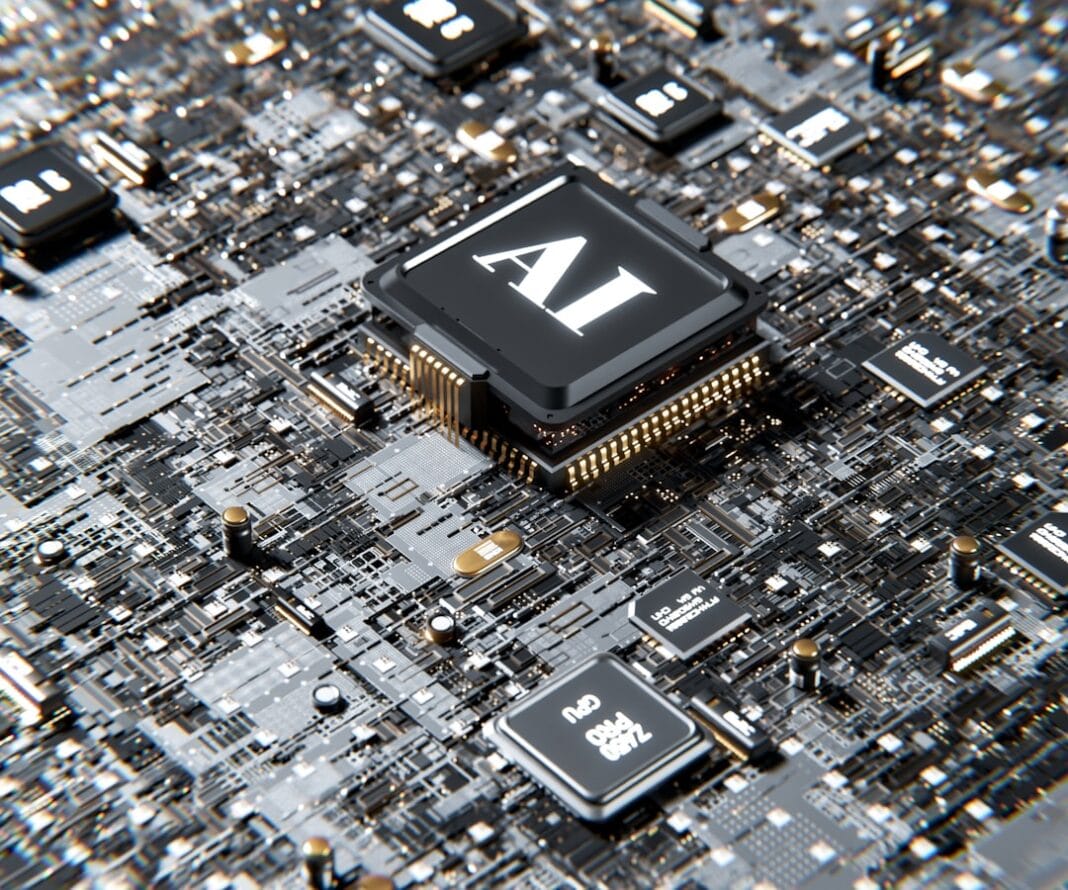
Photo by Igor Omilaev on Unsplash


 English