



Predictions for the future of technology in 2025
This article presents a forward-looking analysis based on recent news and expert opinions, focusing on the main technological trends expected to impact the world in 2025. It is important to note that this is a prediction, not factual information.
Artificial Intelligence and Autonomy
Artificial Intelligence (AI), especially generative AI, continues to play a leading role. It is expected that autonomous AI agents, capable of planning and executing tasks without human intervention, will be responsible for at least 151% of work decisions by 2028, compared to 1% in 2024. This virtual workforce promises to increase productivity and transform business processes, but raises ethical and governance challenges, with specific platforms emerging to ensure transparency and accountability in the use of AI.
Quantum Computing and Post-Quantum Cryptography
Quantum computing is advancing as a new paradigm for complex calculations, with the potential to revolutionize sectors such as healthcare and finance. Simultaneously, post-quantum cryptography is gaining importance in protecting data against threats from quantum computers, with standardization efforts by the National Institute of Standards and Technology (NIST) and increasing adoption projected for the coming years.
Internet of Things and Smart Cities
The exponential growth of the Internet of Things (IoT) is expected to connect billions of physical devices with sensors and software, fostering the development of smart cities. These smart cities will use interconnected networks to adapt services in real time to the needs of citizens, increasing urban efficiency and quality of life.
Advanced Robotics and Synthetic Humans
AI-driven robotics will become more accessible and multifunctional, expanding its presence in both industry and everyday life. Furthermore, synthetic humans—digital entities that mimic human behavior and emotions—are expected to become more popular, with projections indicating that half of consumers will interact with them in purchasing processes by 2026, creating more immersive and personalized digital experiences.
Cybersecurity and Disinformation
With increasing technological dependence, cybersecurity is becoming a strategic priority. New solutions will focus both on protection against cyberattacks and on combating disinformation, aiming to guarantee digital trust and the integrity of platforms.
Impacts and Challenges
- Transforming the workforce with automation and autonomous AI;
- The need for ethical governance for emerging technologies;
- A revolution in how data is protected and shared;
- Expansion of connectivity and digitalization of urban and personal life;
- New digital experiences and more natural human-machine interaction.
These trends indicate a more integrated, autonomous, and human technological future, which will require rapid adaptation from companies, governments, and individuals to seize opportunities and mitigate risks.
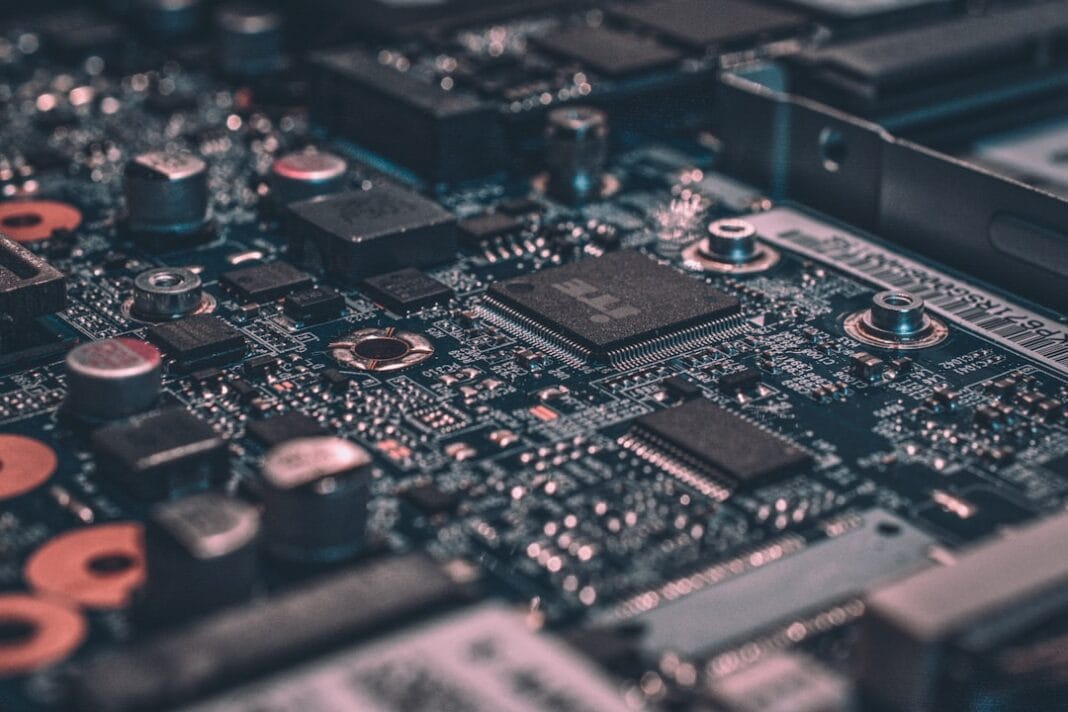
Photo by NASA on Unsplash

 English