



Podcast about the subject Listen on Spotify
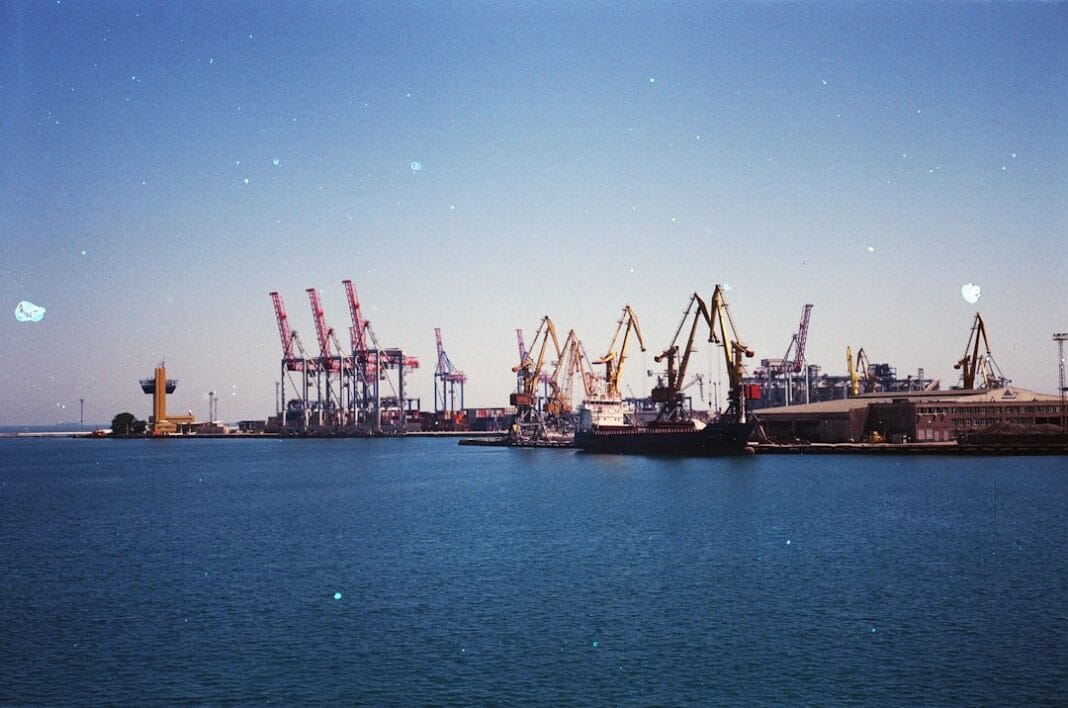
Brazil recorded a historic record in exports in 2025, reaching US$290 billion between January and October, according to official data released by Vice President Geraldo Alckmin. This value surpasses the total accumulated in the entire year of 2024 and reflects the strength of Brazilian foreign trade, even in the face of external challenges.
Progress amid US tariffs
Despite a 25% drop in sales to the United States between August and October—an impact of US trade tariffs—Brazil managed to compensate with growth in other markets. The Sovereign Brazil Plan, which has already benefited more than 500 companies, injected R$7.1 billion in credit operations, helping to diversify destinations and protect production chains.
Sectors most affected and benefited
The main sectors impacted by the US tariffs were crude oil, frozen beef, eucalyptus pulp, raw iron, and refined sugar. On the other hand, the new US executive order removed 10% from the tariff for products such as coffee, meat, and fruit juices, especially benefiting orange juice. As a result, the percentage of Brazilian exports without additional tariffs rose from 23% to 26%, representing US$$ 10.3 billion in 2024.
Challenges and perspectives
Despite the progress, the 40% tariff on coffee is still considered high by the Brazilian government. Alckmin stated that the country will continue negotiating to reduce this rate, since Brazil is the largest supplier of Arabica coffee to the US. The growth of foreign trade is also linked to the expansion of trade agreements, with approximately 500 new markets opened.
Impact on businesses and jobs
Increased exports and market diversification have protected jobs and strengthened production chains. The Sovereign Brazil Plan has already benefited 126 large companies and 391 micro, small and medium-sized enterprises (MSMEs), with R$4 billion in working capital for diversification and R$3.1 billion for traditional working capital.
Photo by Aliaksei Lepik on Unsplash


 English