


Podcast about the subject Listen on Spotify
Russia launches biggest attack on Kiev in weeks with hundreds of drones and missiles.
Moscow carried out a large-scale attack against the Ukrainian capital in the early hours of November 15, using approximately 430 drones and 18 missiles, including ballistic and aeroballistic weapons. The bombardment continued throughout the night, leaving at least six dead and about 30 wounded, including two children and a pregnant woman.
Ukrainian President Volodymyr Zelensky described the attack as deliberately calculated, with the aim of causing maximum damage to civilians and infrastructure. The skies over Kyiv were flooded with missiles and drones, causing fires in residential buildings in several districts of the capital.
Deteriorating military context for Ukraine
The attack comes at a critical time for Ukrainian forces, who are retreating in the south of the country. Ukrainian soldiers have abandoned several villages in Zaporizia during fierce fighting against Russian troops, indicating that Russia is gaining ground in the region.
Chile chooses between extremes in polarized election.
Chile held its first round of presidential elections on Sunday, November 16, with results that surprised analysts: communist Yanet Hara and far-right José Antonio Kast advanced to the second round, leaving behind candidates from the political center.
Security and migration dominate the electoral debate.
With 521,300 votes counted, the election reflects deep polarization in Chile. Issues of public insecurity and migration dominated the campaign, alienating voters from moderate proposals. President Gabriel Boric, who governed with a left-wing coalition, failed to transfer support to his natural successor.
The difference between Kast and Hara was only 2 percentage points, indicating an extremely close race. The second round promises to be one of the most tense in recent Chilean political history, with radically opposing views on the country's future.
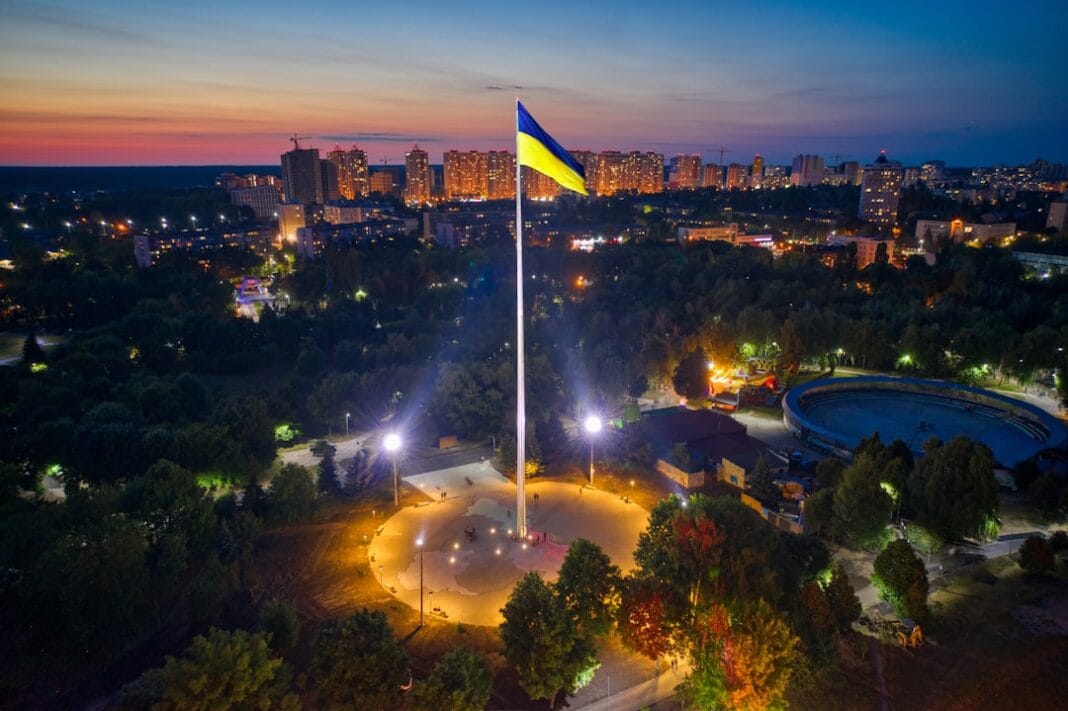
Photo by Eugenia Pan'kiv on Unsplash

 English