



Podcast about the subject Listen on Spotify
Supercomputing platforms with Artificial Intelligence (AI) are at the heart of the main technological trends for 2026, according to Gartner. The integration of CPUs, GPUs, ASICs, and neuromorphic computing promises to transform how companies develop software and operate critical processes.
Accelerated digital transformation
According to Gene Alvarez, vice president emeritus analyst at Gartner, organizations will face a crucial year in 2026, marked by disruption, innovation, and accelerated risk. Supercomputing platforms with AI enable the orchestration of complex workloads, achieving new levels of performance and efficiency.
By 2030, Gartner predicts that 80% organizations will have large software engineering teams replaced by smaller, more agile teams driven by AI. This shift represents a significant reduction in costs and an increase in productivity, especially in sectors such as finance, healthcare, and manufacturing.
Impact on business and the market
Companies that adopt these platforms will be able to accelerate product development, optimize supply chains, and improve strategic decision-making. The impact will be felt primarily in sectors that rely on large volumes of data and real-time processing.
Furthermore, confidential computing, another trend highlighted by Gartner, is expected to protect more than 75% of operations processed on untrusted infrastructures by 2029, increasing digital security and trust in organizations.
Challenges and opportunities
Despite the benefits, adopting these technologies requires investments in infrastructure, specialized talent, and a culture of innovation. Technology leaders need to carefully plan the transition to ensure competitiveness and resilience in the market.
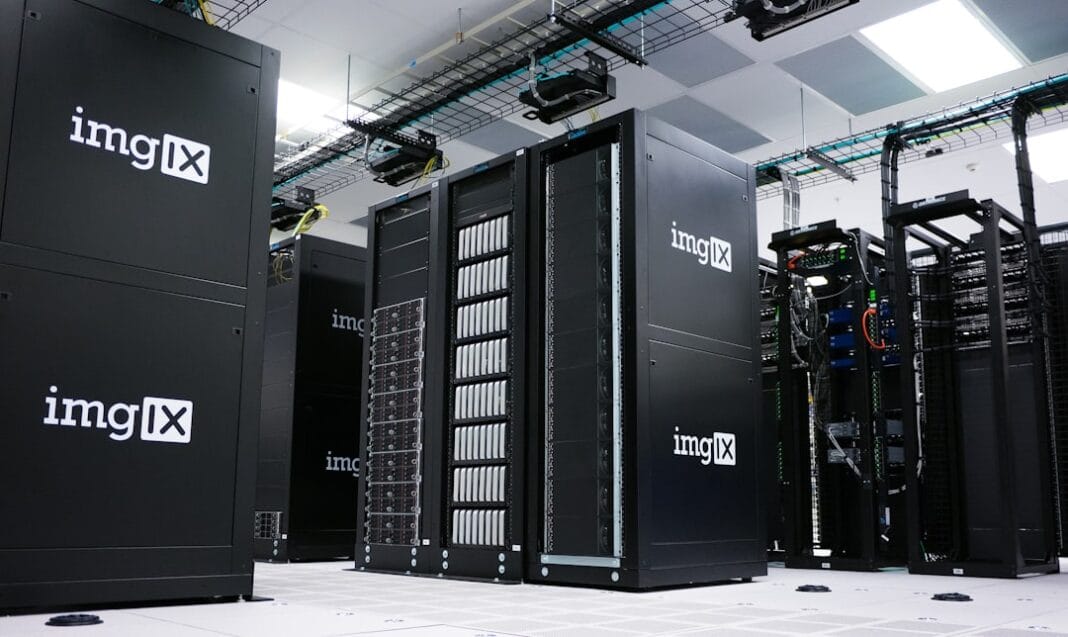
Photo by imgix on Unsplash


 English