



Technological Trends Shaping Business Strategy in 2025
Artificial intelligence and advanced robotics are becoming strategic priorities for companies seeking competitiveness in 2025. According to an analysis presented by Gartner at an executive seminar held in Rio Grande do Sul, IT managers of large corporations face a critical decision: invest now or risk falling behind in digital transformation.
The provocative statement by Gartner's vice president, Alexandre Blauth, summarizes the dilemma: "Are we going to ride this wave now, monitor it, or ignore it?" For most organizations, the answer points to the need for immediate action, albeit strategic and monitored.
AI Stops Being a Trend and Becomes a Necessity
Artificial intelligence transcends the status of innovation to become an operational imperative. Companies that implement AI-based solutions reap measurable benefits: process automation, more informed decision-making, and improved customer experience.
The democratization of data amplifies this impact. No-code and low-code tools eliminate technical barriers, allowing teams without advanced expertise to create customized solutions. Gartner projects that By 2026, more than 80% of software vendors will integrate generative AI into their products., while 70% of the new applications will be developed with no-code or low-code platforms..
In practice, this means accelerating projects by up to 50% and reducing costs. Small and medium-sized enterprises gain the ability to compete with large players by adopting advanced technologies to improve efficiency and personalize experiences.
Practical Applications in Business
Multimodal generative AI—capable of processing text, images, and audio simultaneously—opens up previously unimaginable possibilities. Systems can interpret an image and generate a text description, or transform a voice command into an illustration, expanding interaction and practical application.
In content creation, AI-based tools enable message personalization and rapid production of relevant materials. In data analysis, they offer insights for more assertive decisions, allowing companies to anticipate needs and optimize campaigns.
Advanced Robotics Redefines Operations
The fusion of AI and robotics promises profound transformation across multiple sectors. By 2025, consolidation is expected in three main areas:
Industrial production: Fully automated factories are scaling up, with robots performing complex tasks with precision and consistency.
Service Sector: Restaurants with robotic cooks, stores with automated service and self-checkout are becoming the norm. Virtual Reality (VR) will redefine shopping experiences, becoming a common presence in physical stores.
Health: Robot-assisted surgeries are becoming more common, reducing risks and recovery time for patients.
Self-driving vehicles are nearing commercial reality. Tesla and Waymo are working to make systems safer and more efficient. Intelligent home robots—capable of cooking, cleaning, and caring for the elderly—are ceasing to be science fiction.
Cybersecurity at the Forefront
Increasing digitalization intensifies the sophistication of attacks. Organizations face three critical challenges in 2025:
Post-Quantum Cryptography: With the arrival of quantum computers, it will be necessary to develop new forms of data protection.
AI in Defense: AI-based cybersecurity systems identify threats before they cause damage.
Passwordless Authentication: Biometrics and multifactor authentication are gradually replacing traditional passwords.
The Council of Experts
Blauth offers pragmatic guidance for managers: “Perhaps it’s not the right time to get into these technologies, but when you see that it makes sense for the organization, invest. You’ll be ahead of the curve and will learn from your mistakes much more than those who come in later.”
The message is clear: monitoring trends is not optional, but strategic investment requires alignment with organizational objectives. Those who procrastinate risk missing the wave; those who invest without planning waste resources.
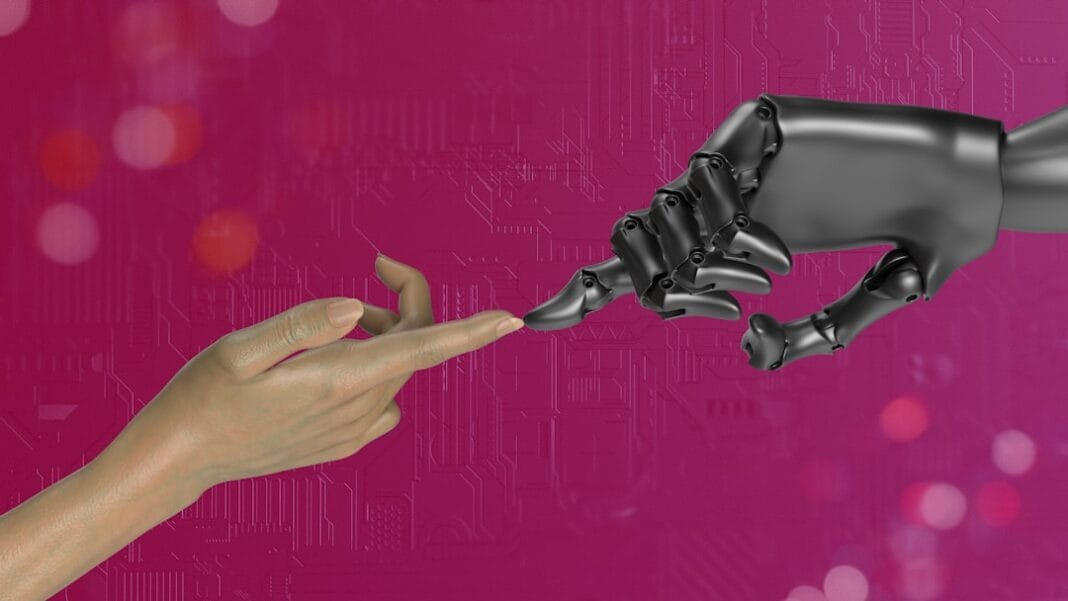
Photo by Igor Omilaev on Unsplash


 English