



Podcast about the subject Listen on Spotify
Russia intensifies air strike on Kiev with hundreds of drones and missiles.
Last weekend, Kyiv was the target of an intense air strike launched by Russia, which used approximately 430 drones and 18 missiles, including ballistic and aeroballistic missiles. According to Ukrainian President Volodymyr Zelensky, the attack was calculated to cause maximum damage to both people and civilian infrastructure.
Immediate impacts of the attack
The bombing caused fires in several residential buildings in the Ukrainian capital, leaving at least six dead, including civilians, as well as about 30 injured, among them two children and a pregnant woman. The attacks occurred overnight and extended into the early morning, causing panic and destruction in several districts.
Ukrainian authorities confirmed that air defenses managed to intercept and shoot down many of the vehicles, bringing down 91 drones and two ballistic missiles; however, the volume and intensity of the operation left cities vulnerable.
Military and political context
The attacks coincide with advances by Russian troops in southern Ukraine, especially in the Zaporizia region, where Ukrainian forces withdrew from several villages after fierce fighting. Zelensky described the attack as an attempt to undermine the existence of Ukraine's pro-Western democratic project and stressed that Moscow uses these actions to maintain its authoritarian control.
Consequences for international security
The military escalation has raised concerns about regional stability and the increased use of unconventional warfare technologies, such as large-scale drone swarms, which hinder traditional defenses. The international community is closely watching the impact of these disruptive tactics on modern conflicts.
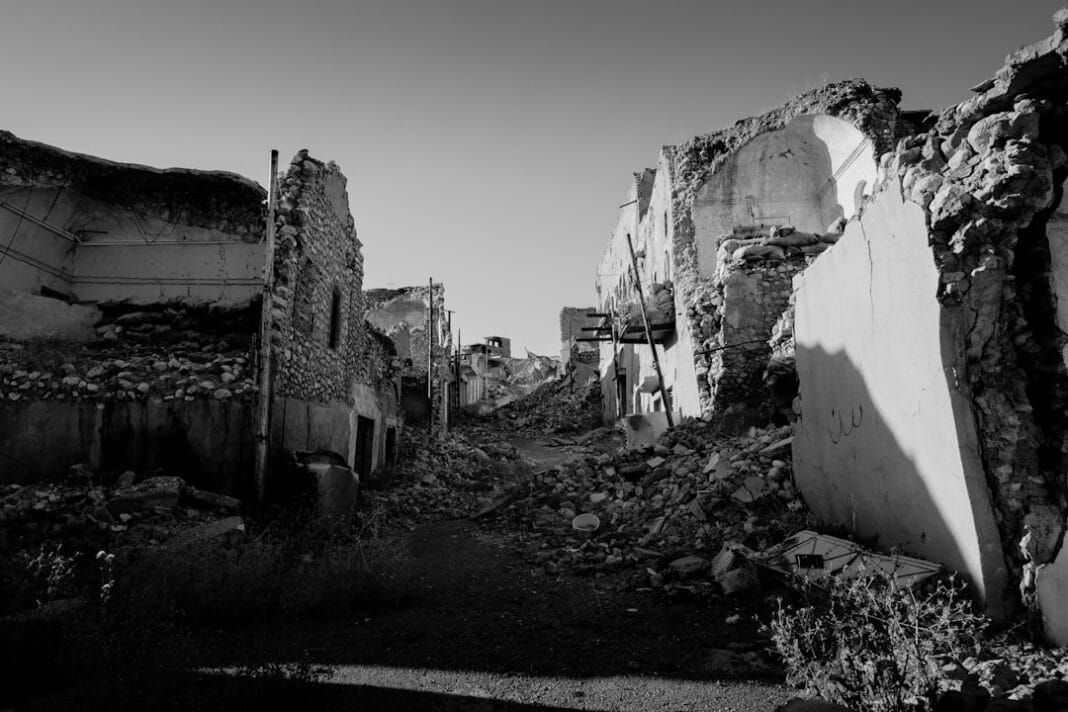
Photo by Levi Meir Clancy on Unsplash


 English